November 2, 2026
Learn about the essential components and operation of septic systems, why they are important, and how local septic system service can help maintain them effectively. Septic systems are crucial installations for homes not connected to the municipal sewage lines and serve as an on-site sewage facility, treating and disposing of household waste in an environmentally friendly way. By ensuring these systems function properly, homeowners contribute to reducing environmental pollution and protecting local groundwater sources. Moreover, understanding the importance of septic systems enables individuals to take proactive measures in maintaining the health of their systems.
Understand the Components of a Septic System
A septic system is an underground wastewater treatment structure, commonly used in rural areas without centralized sewer systems. These systems use a combination of nature and proven technology to treat household wastewater produced by bathrooms, kitchen drains, and laundry. A standard septic system consists of a septic tank and a drain field, or soil absorption field. These components work together to safely manage waste while minimizing the impact on the local ecosystem. By preventing untreated waste from entering public waterways, septic systems help maintain the integrity of aquatic environments.
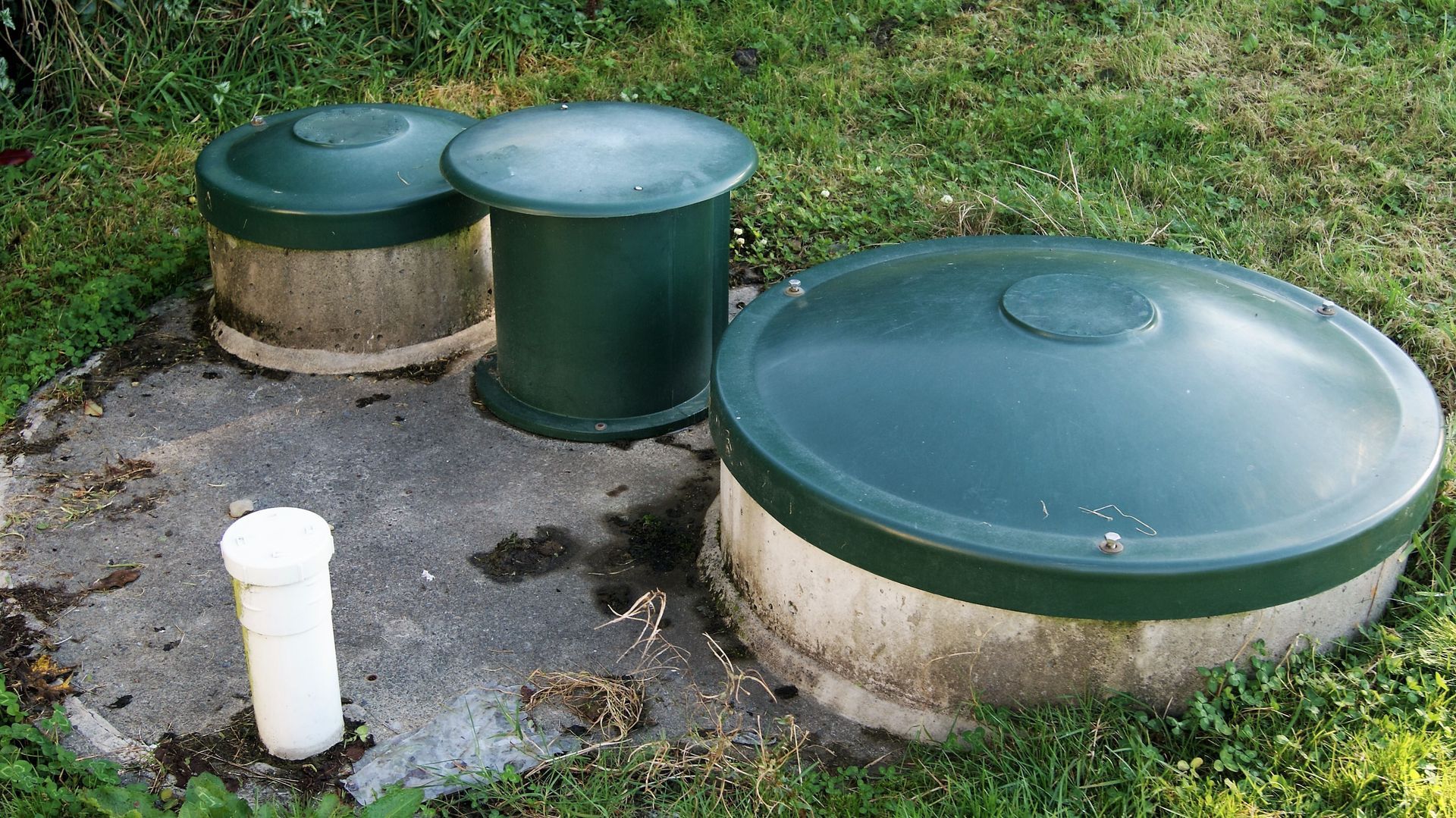
The septic tank is a watertight container made typically of concrete, fiberglass, or polyethylene. Its primary function is to hold wastewater long enough to allow solids to settle down to the bottom, forming sludge, while the oil and grease float to the top as scum. This separation process allows for partial decomposition of the biological matter. According to This Old House, if you have a two- or three-bedroom house, your septic tank should have the capacity to hold a minimum of 1,000 gallons, a critical factor to consider during installation. Properly sizing the septic tank is essential to manage household waste effectively and prevent overflow issues. Furthermore, the location of the septic tank should comply with local regulations to avoid contamination risks.
Explore the Septic System Process
The functioning of a septic system depends on its ability to separate solids from the liquids. As household waste flows into the septic tank, its contents undergo phases of decomposition, facilitated by bacteria that naturally occur in waste. The sludge settles to the bottom, while the oils and fats form a scum layer above the wastewater. The design of modern septic systems ensures that only the clarified liquid exits the tank and flows towards distribution devices that evenly distribute it across the drain field. Integrating digestion enhancements, such as bio-accelerators, can optimize the decomposition process. Additionally, careful design ensures minimal environmental disruption, enhancing the long-term sustainability of septic systems.
In the drain field, the soil acts as a filter, removing harmful bacteria, viruses, and nutrients, ultimately releasing clean, safe water into the groundwater system. The effectiveness of the septic system relies on its regular maintenance, which involves pumping the tank to prevent overflow. The local septic system service can ensure this routine maintenance is performed efficiently, preventing potential health and environmental hazards. Ensuring the structural integrity of the drain field pipes also reduces the risk of ground saturation and potential surface runoff issues. Moreover, adopting preventive measures against clogging, like root-infiltration barriers, enhances the system's reliability.
Identify Common Septic System Issues
Even with proper care, septic systems can encounter several issues that require attention. The most common problems include blockages or clogs, often caused by non-biodegradable waste or tough clumps of waste materials in the tank, which can halt the system’s ability to process and filter waste. Other issues might arise from overflowing due to delayed tank pumping, leading to potential seepage of untreated sewage into surrounding areas. Addressing these blockages promptly can alleviate potential health risks and prevent costly repairs. Regular monitoring and adherence to usage guidelines can significantly minimize such occurrences.
Another frequent issue is the contamination of the drain field from excessive water inundation, often exacerbated during the rainy season or by the misuse of household plumbing. Such scenarios can lead to the failure of the system, necessitating immediate intervention by a local septic system service. Regular inspections and prompt repairs can identify and mitigate these issues early, maintaining proper function and prolonging the system’s lifespan. Implementing water conservation strategies within the home can reduce the likelihood of overloading the septic system. Furthermore, utilizing professional assessment tools can provide insights into potential vulnerabilities before they become severe problems.
Schedule Regular Inspections
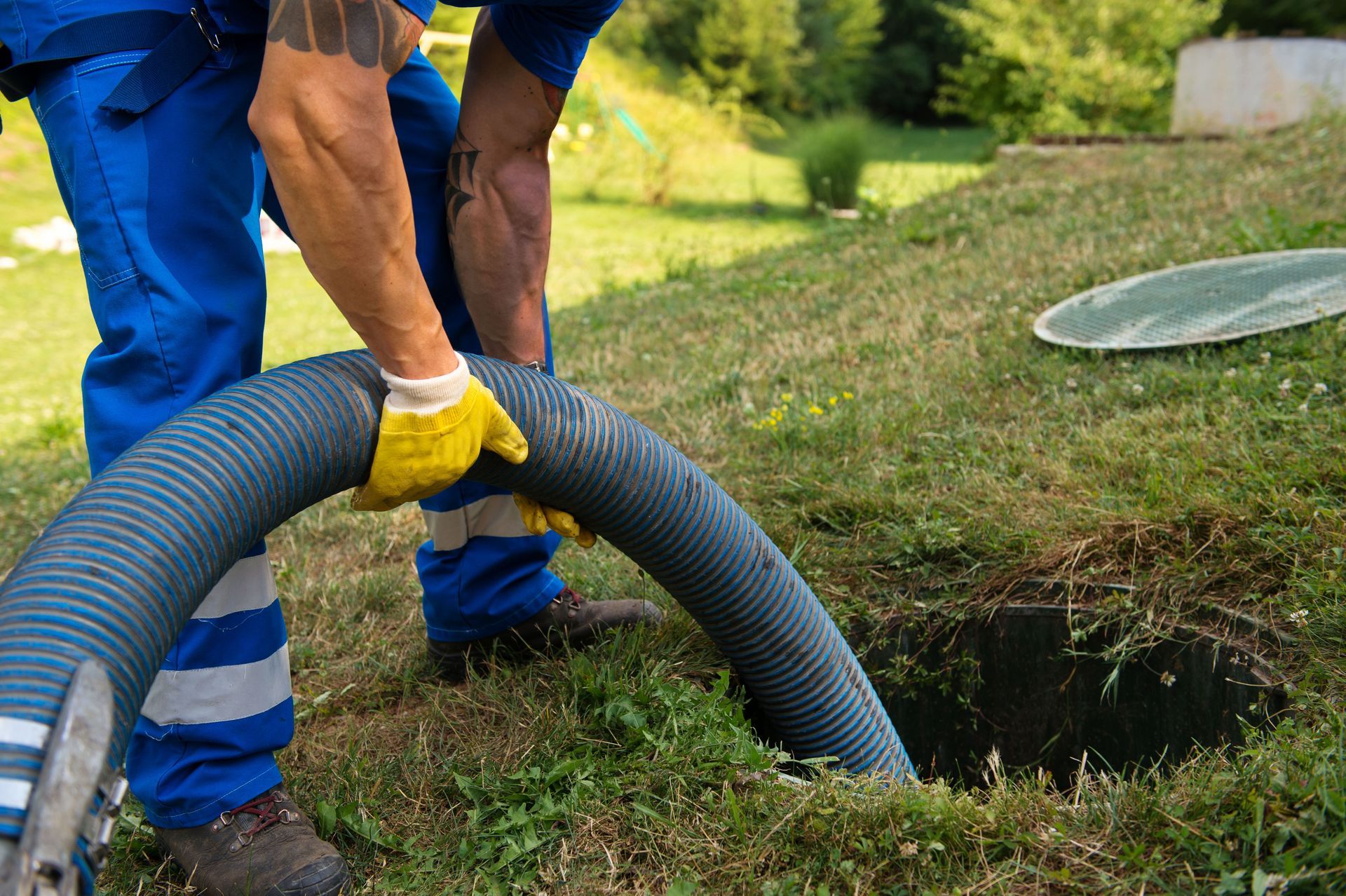
Septic systems require regular inspection to function effectively and avoid failures. Generally, experts recommend septic tank inspection every three to five years, with more frequent checks for systems under heavy usage. The local septic system service often provides comprehensive inspection services, checking the sludge and scum levels, inspecting pipes, and ensuring the tank is watertight. Adhering to a professional inspection schedule not only preserves system efficiency but also protects property value and the surrounding environment. Maintaining records of each inspection can help homeowners track maintenance cycles and identify potential areas for improvement.
The frequency of pumping depends on several factors, including the size of the household, volume of wastewater generated, and septic tank size. During inspection, professionals can provide guidance on proper maintenance schedules based on these specific conditions. Regular inspections help identify minor issues before they become significant problems, ensuring the efficiency and safety of the system. Implementing a tailored maintenance plan is integral to overcoming challenges related to heavy storm events or extended family visits, which may temporarily increase system demands. Periodic evaluations can be supplemented by user education, promoting responsible waste disposal practices.
Apply Practices for Septic System Longevity
Extending the life of your septic system involves a combination of regular maintenance, conscious usage, and responsive intervention. Ensuring the system does not receive more water than it can handle keeps it functioning optimally. Simple habits such as using water efficiently, avoiding non-biodegradable products in the plumbing, and diverting stormwater away from the drain field can significantly prevent system overload. Educating household members on septic-friendly practices also plays a critical role in minimizing inadvertent damage. Additionally, installing water-saving appliances can mitigate excessive water flow into the system.
Additionally, engaging with a reliable local septic system service for regular checkups and immediate attention to any unusual signs can vastly improve the longevity of your system. By fostering a proactive care approach, homeowners can alleviate costly repairs, safeguard their surroundings, and maintain local environmental standards, ensuring their septic system remains a reliable resource for waste management. Early detection of irregularities allows for quick corrective actions, potentially saving substantial repair costs. Consider participating in local workshops or seminars to stay informed about the latest advancements in septic system care and maintenance.
Septic systems play an essential role in managing household waste efficiently, particularly for residences not connected to a public sewage system. Understanding how these systems work, recognizing potential issues, and maintaining them through regular checks is crucial. The involvement of a local septic system service for inspections and maintenance can significantly contribute to the system’s proper functioning, promoting health, safety, and environmental protection. Consistent collaboration with professionals ensures compliance with environmental regulations, enhancing community well-being. By adhering to the recommended maintenance practices and promptly addressing issues with professional help, homeowners can ensure their systems operate efficiently for many years. Long-term resilience in septic systems reflects a commitment to sustainable and responsible living. Reach out to Seagraves Plumbing to learn more about our local septic system services today.