November 20, 2026
Installing a new septic tank is a major project, and knowing the steps ahead of time makes the whole process feel far more manageable. Whether you're building a home in an area without sewer lines or replacing a system that has failed, the work involves much more than digging a hole. It includes evaluating your property, getting approvals, placing the tank, and building a drain field that can treat wastewater for years. Many homeowners are surprised by how many stages are involved and how much the details of their lot matter. Below, we'll walk through what to expect during a new septic tank installation and how professional septic tank services like ours can guide you from the first evaluation to the final inspection.
Understanding Why Proper Installation Matters
Septic systems are far more common than many people realize. According to WBUR, across the U.S., about 25% of people use septic tanks. For those households, the septic system is the only way wastewater is treated, which makes a correct installation especially important. A tank that is sized poorly, placed in the wrong spot, or connected incorrectly can lead to backups, odors, and soggy yards. Repairs after the fact are often disruptive and costly, since much of the system sits underground. Taking the time to plan carefully and work with experienced professionals gives your system the best chance of running smoothly for decades.
Starting With a Site Evaluation
Every installation begins with a close look at your property. A technician considers the size of your lot, the slope of the land, the location of your home, and how far the system needs to sit from wells, property lines, and water sources. Soil conditions matter a great deal, because the soil in your drain field has to absorb and filter wastewater properly. Local health departments often require soil testing or a percolation test, though the exact requirements vary by county and site. Household size and the number of bedrooms also help determine how large the tank should be. Our septic tank services start with an evaluation so the design fits your property and your family.
Planning the Design and Securing Permits
Once the site has been evaluated, the next step is a system design that meets local regulations. The design typically shows where the tank, pipes, and drain field will go, along with the size and type of each component. Most jurisdictions require permits before any digging starts, and the process and timeline differ from one county to the next. Plans may need to be reviewed or approved by a local authority before work can begin. Working with a company that offers septic tank services like ours can keep paperwork from becoming a source of frustration. Ask early about any rules that apply to your location.
Preparing and Excavating the Site
When the permits are in place, the crew prepares the property for work. That usually means marking the layout, clearing the area, and protecting nearby lawns, driveways, and utilities as much as possible. Heavy equipment then digs the hole for the tank and the trenches for the drain field. You can expect noise, activity, and some disturbance to your yard during this stage. Weather can also play a role, since heavy rain may delay digging or make the soil harder to work with. Knowing about this ahead of time helps you plan around the work and keep kids, pets, and vehicles clear of the area.
Setting the Septic Tank
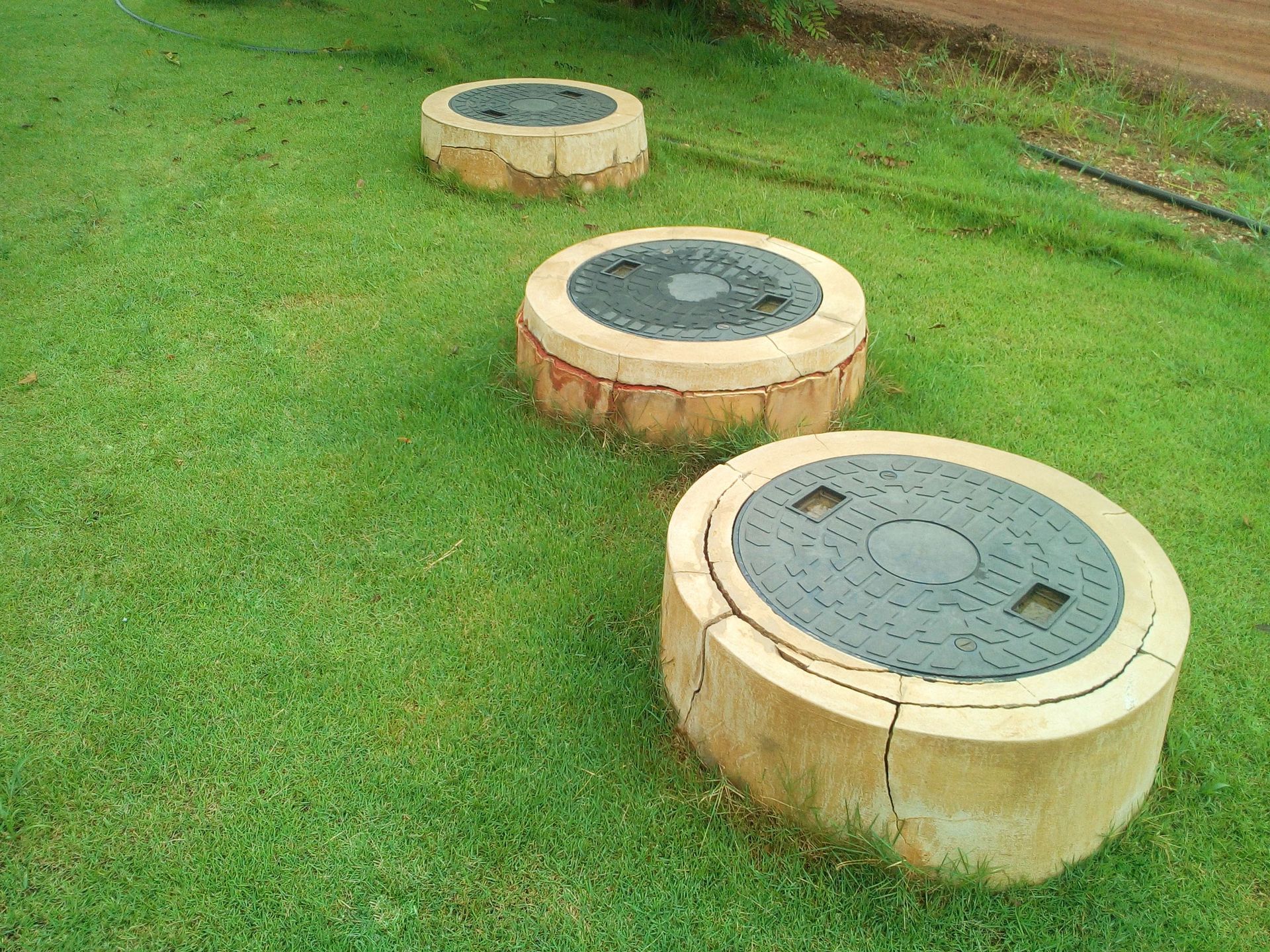
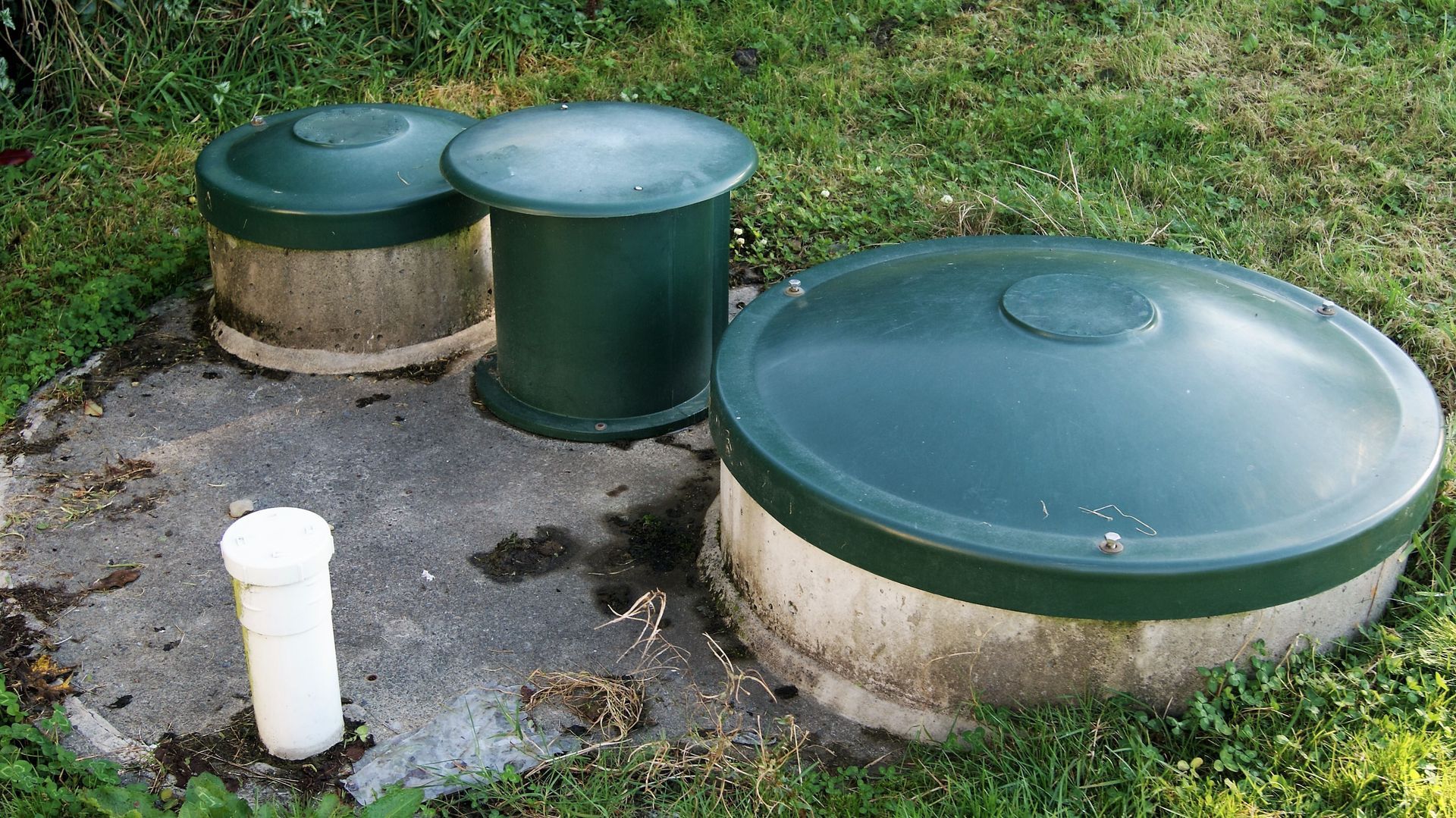
With the excavation finished, the tank is lowered into place. The crew checks that it sits level and at the proper depth, because the tank has to line up with the inlet and outlet pipes. A level tank allows wastewater to separate into layers as intended, with solids settling to the bottom and lighter material floating on top. Access risers and lids are positioned so the tank can be reached for inspections and pumping later on. Careful placement at this stage matters, since mistakes are hard to correct once everything is buried. Our tank installation work is backed by a one-year warranty on new installations.
Connecting the Pipes and Building the Drain Field
After the tank is set, the crew connects the pipe that carries wastewater from your home to the tank and the outlet pipe that sends liquid toward the drain field. The drain field itself is a network of trenches or beds that spreads treated liquid into the soil, where it is filtered naturally before reaching groundwater. The layout depends on your soil, your lot, and local requirements. This part of the job often takes the most time and space. Proper slope and spacing of the pipes help wastewater flow evenly instead of overloading one area. Our septic tank services cover the full installation, so one team handles the connections from your house to the drain field.
Passing Inspections Before Backfilling
Before anything is covered up, most areas require an inspection by a local official. The inspector looks at the tank, the pipe connections, and the drain field to confirm the work matches the approved plan. If something needs adjusting, it's far easier to fix while the system is still exposed. Once the system passes, the crew backfills the excavation, grades the soil, and cleans up the work area. Inspection requirements and scheduling vary by location, so it helps to ask your installer what to expect. Skipping or rushing this step can create problems that surface months or years later.
Planning for Timeline and Cost
Many homeowners want to know how long an installation takes and what it will cost. Both depend on factors like soil conditions, tank size, system type, permit timelines, and the weather, so no two projects are exactly alike. Some of the schedule is out of the installer's hands, since permit approvals and inspections rely on local offices. Larger or more difficult sites generally take more time and cost more. Asking for a clear explanation of the work and the schedule before you commit helps you avoid surprises. Our septic tank services are designed to give you clear information so you can plan your budget and your calendar with confidence.
Caring for Your New System
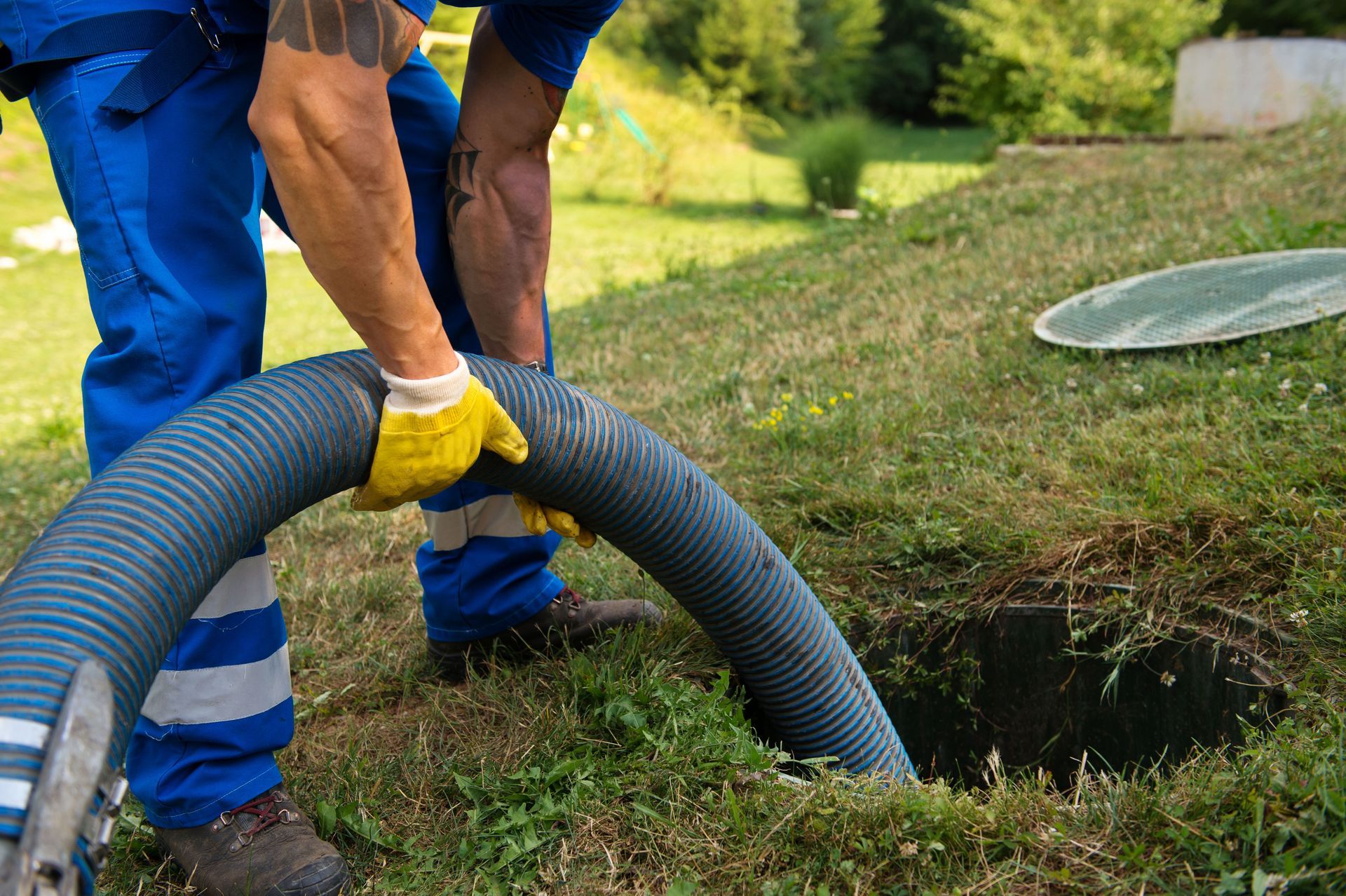
Once the installation is finished, a little routine care goes a long way. Spreading out water use, keeping heavy vehicles and deep-rooted plants off the drain field, and flushing only human waste and septic-safe toilet paper all help protect the system. Regular inspections catch small issues early, and pumping removes the solids that build up in the tank over time. How often your tank needs service depends on its size, your household, and your water use. Keep records of your installation and any maintenance so future service is easier to plan. Our septic tank services also include inspections, pumping, tank cleaning, and repairs to keep your new system in good shape.
At Seagraves Plumbing, we're a locally and family-owned plumbing company that has been serving homeowners in Atlanta, Cobb County, Marietta, Smyrna, Sandy Springs, and surrounding areas since 1941. Our certified and licensed technicians provide septic evaluations, inspections, pumping, repairs, tank cleaning, and tank installation, along with drain cleaning, leak detection, sewer line inspection, water heaters, and fixture installation. We back our new installations with a one-year warranty and our service work with a 30-day warranty, and we offer discounts for veterans, seniors, and first responders. Contact Seagraves Plumbing today to plan your new septic tank installation.